


Effective Strategies for Correcting Posture-Related Back Pain: Exercises, Ergonomics, and Relief Methods

Posture-related back pain is a common issue that affects many individuals, often resulting from prolonged sitting, poor ergonomics, or lack of physical activity. This article explores effective strategies for correcting posture-related back pain, focusing on exercises, ergonomic adjustments, and various relief methods. Readers will learn how to implement these strategies to alleviate discomfort and improve overall spinal health. By addressing the root causes of back pain, individuals can find relief and enhance their quality of life. The following sections will delve into specific exercises, ergonomic practices, and relief methods that can be easily integrated into daily routines.
Exercises
Engaging in regular exercises is crucial for alleviating back pain and improving posture. These exercises focus on strengthening core muscles, enhancing flexibility, and promoting spinal alignment. Incorporating a variety of movements can lead to significant improvements in back health.
- Gentle Stretching Exercises: Stretching helps to relieve tension in the muscles surrounding the spine, promoting flexibility and reducing stiffness. Incorporating stretches such as the cat-cow stretch or child's pose can be beneficial.
- Core Strengthening Exercises: Strengthening the core muscles provides better support for the spine. Exercises like planks and bridges can enhance core stability, which is essential for maintaining good posture.
Further research emphasizes the critical role of core strength and stability training in alleviating back pain and supporting daily activities.
Core Strength & Stability Training for Back Pain Relief
Research has highlighted benefits of training these processes for people with back pain and for carrying out everyday activities. However, less research has been performed on the benefits of core training for elite athletes and how this training should be carried out to optimize sporting performance. Many elite athletes undertake core stability and core strength training as part of their training programme, despite contradictory findings and conclusions as to their efficacy. This is mainly due to the lack of a gold standard method for measuring core stability and strength when performing everyday tasks and sporting movements. A further confounding factor is that because of the differing demands on the core musculature during everyday activities (low load, slow movements) and sporting activities (high load, resisted, dynamic movements), research performed in the rehabilitation sector cannot be applied to the sporting environment and, subsequently, data regarding core training programmes and their effectiveness on sporting performance are lacking.
Optimizing performance by improving core stability and core strength, D French, 2008
- Importance of Regular Walking: Walking is a low-impact exercise that encourages proper posture and spinal alignment. It also helps to strengthen the muscles in the back and improve overall mobility.
These exercises can be easily performed at home and require minimal equipment, making them accessible for everyone.
Ergonomic Adjustments

Making ergonomic adjustments in your workspace and daily activities can significantly improve posture and reduce back pain. Proper ergonomics ensures that the body is aligned correctly, minimizing strain on the spine.
- Investing in Ergonomic Furniture: Ergonomic chairs and desks are designed to support proper posture. An adjustable chair with lumbar support can help maintain the natural curve of the spine.
- Proper Lifting Techniques: When lifting heavy objects, it is essential to use proper techniques to avoid straining the back. Bending at the knees and keeping the object close to the body can help prevent injury.
- Use of Lumbar Support Devices: Lumbar support cushions can be added to existing chairs to provide additional support for the lower back, promoting better posture during prolonged sitting.
Implementing these ergonomic adjustments can lead to a more comfortable and supportive environment, reducing the risk of posture-related back pain.
Relief Methods
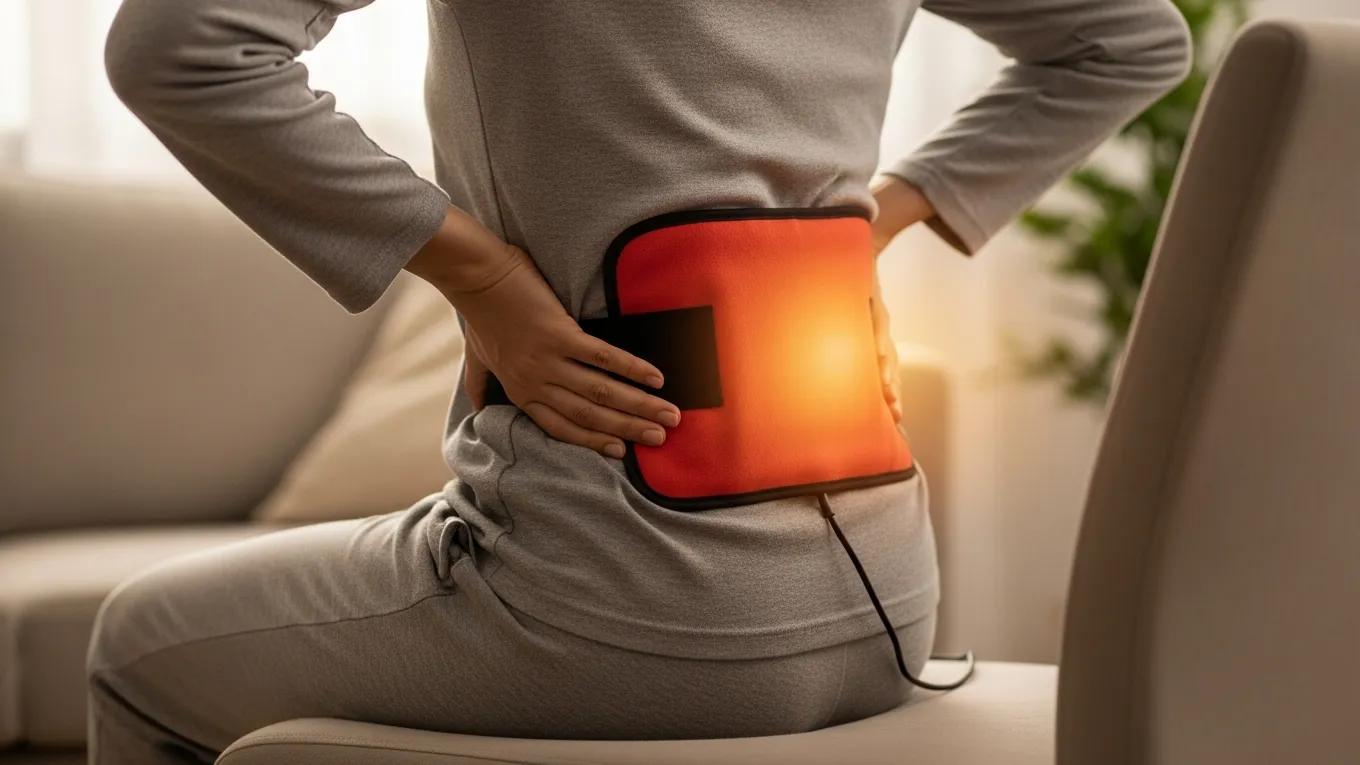
Exploring various relief methods can provide immediate comfort for those suffering from back pain. These methods can be used in conjunction with exercises and ergonomic adjustments for optimal results.
- Heat Therapy: Applying heat to the affected area can help relax tense muscles and improve blood circulation. Heat pads or warm baths are effective ways to utilize this method.
- Spinal Decompression Therapy: This therapy involves stretching the spine to relieve pressure on the discs and nerves. Techniques such as inversion tables or specialized chiropractic treatments can be beneficial.
- Use of Ergonomic Pillows: Ergonomic pillows are designed to support the neck and spine during sleep, promoting better alignment. They can help alleviate discomfort and improve sleep quality.
Indeed, ensuring optimal spinal alignment during sleep is crucial, and selecting the right sleep system, including pillows and mattresses, is paramount for this.
Sleep Ergonomics for Optimal Spinal Alignment
When positioning for sleep, the spine must be in optimal alignment. For that, during sleep, the use of a proper sleeping system constituted by a head pillow, a mattress and its surface is a must. Therefore, the sleeping system should have different elastic properties, the so-called custom-made arrangement, as we differ individually from biotypes, anthropometry, bodyweight distribution, height and weight, and sleeping habits. Individuals with different sleeping characteristics require different zonal stiffnesses in the mattress in order that the mattress maintains their spine in natural alignment during the recumbent posture we adopt to sleep. Physiotherapists should encourage patients/clients to have an individually adapted sleep system according to their physical needs and conditions.
Sleep Ergonomics, C Frange, 2021
How do spinal alignment techniques improve posture and reduce pain?
Spinal alignment techniques work by ensuring that the spine is in its natural position, which can alleviate pressure on nerves and reduce pain. Proper alignment allows for better distribution of weight across the spine, minimizing strain on specific areas. Techniques such as chiropractic adjustments and physical therapy exercises can enhance spinal alignment, leading to improved posture and reduced discomfort.
Which therapeutic exercises target muscle stiffness and enhance spinal mobility?
Therapeutic exercises that target muscle stiffness include gentle stretching routines and specific strength-building movements. For instance, yoga poses like the downward dog and seated forward bend can effectively stretch tight muscles and enhance spinal mobility. Additionally, core strengthening exercises, such as pelvic tilts and bird-dogs, can improve overall spinal function and flexibility.
Which ergonomic products best support posture correction and alleviate back pain?
Several ergonomic products can aid in posture correction and alleviate back pain. Lumbar support cushions and adjustable standing desks, which promote better posture throughout the day, can be effective options.
What are the benefits of the best ergonomic chairs for back pain?
The best ergonomic chairs offer several benefits for individuals experiencing back pain. Key features include adjustable lumbar support, which helps maintain the natural curve of the spine, and seat height adjustments that promote proper leg positioning. Memory foam cushions can also enhance comfort, reducing pressure points and encouraging longer periods of sitting without discomfort.
How does the TheraSpine™ device promote spinal alignment and posture correction?
The TheraSpine™ device promotes spinal alignment through its innovative design, which incorporates spinal decompression and infrared heat therapy. Users have reported various levels of relief, making it an effective tool for those seeking to improve their posture and alleviate discomfort.
How can sciatica pain be relieved through posture improvement and home remedies?
Sciatica pain can often be alleviated by improving posture and incorporating home remedies. Gentle stretching exercises, such as piriformis stretches, can relieve pressure on the sciatic nerve. Additionally, applying heat or cold packs can help reduce inflammation and discomfort. Maintaining proper posture while sitting and standing is crucial for preventing sciatica flare-ups.
What posture adjustments help reduce sciatica symptoms effectively?
To reduce sciatica symptoms, individuals should focus on maintaining a neutral spine position. This can be achieved by sitting with feet flat on the ground and using lumbar support when seated. Regularly changing positions and avoiding prolonged sitting can also help alleviate pressure on the sciatic nerve.
Which home remedies alleviate muscle stiffness related to posture issues?
Several home remedies can effectively alleviate muscle stiffness associated with posture issues. Gentle stretching, heat therapy, and regular walking can all contribute to reducing stiffness. Additionally, practicing mindfulness and relaxation techniques can help manage stress, which often exacerbates muscle tension.