


Effective Back Pain Relief Tips and Creative Uses of TheraSpine Pillow for Chronic Pain Management

Managing chronic back pain effectively requires a multifaceted approach, often integrating specialized tools and informed user tips to achieve lasting relief. This article delves into practical strategies and creative applications of the TheraSpine pillow, a flagship product from TheraSpine, a specialized e-commerce company focused on innovative back pain relief solutions. Understanding proper positioning and maximizing the effectiveness of ergonomic products like the TheraSpine pillow can significantly enhance spinal health and alleviate discomfort. We will explore various back pain relief techniques, user hacks, and daily routines that complement the TheraSpine pillow, providing a comprehensive guide for personalized pain management.
Indeed, low back pain is a widespread issue, and ergonomic interventions, including specialized support devices, are increasingly recognized as crucial for its prevention and effective management.
Ergonomic Interventions for Low Back Pain Prevention & Management
Low back pain (LBP) is a global health concern, impacting individuals across various professions and age groups. This review explores the critical role of ergonomic factors in the prevention and management of LBP. Occupational risk factors, including heavy lifting, prolonged sitting, non-neutral postures, and repetitive motions, contribute significantly to the rising prevalence of LBP. Professions such as healthcare, law enforcement, and office work are particularly vulnerable due to their physical demands and static postures. Ergonomic interventions, including task redesign, assistive technologies, and workplace modifications, have proven effective in reducing the incidence of LBP. Dynamic seating, lumbar support devices, and wearable technology are among the innovations that have been introduced to promote healthier postures and reduce musculoskeletal strain.
Current trends and risk factors in low back pain: An ergonomic perspective on prevention and management, 2024
Proper Pillow Positioning
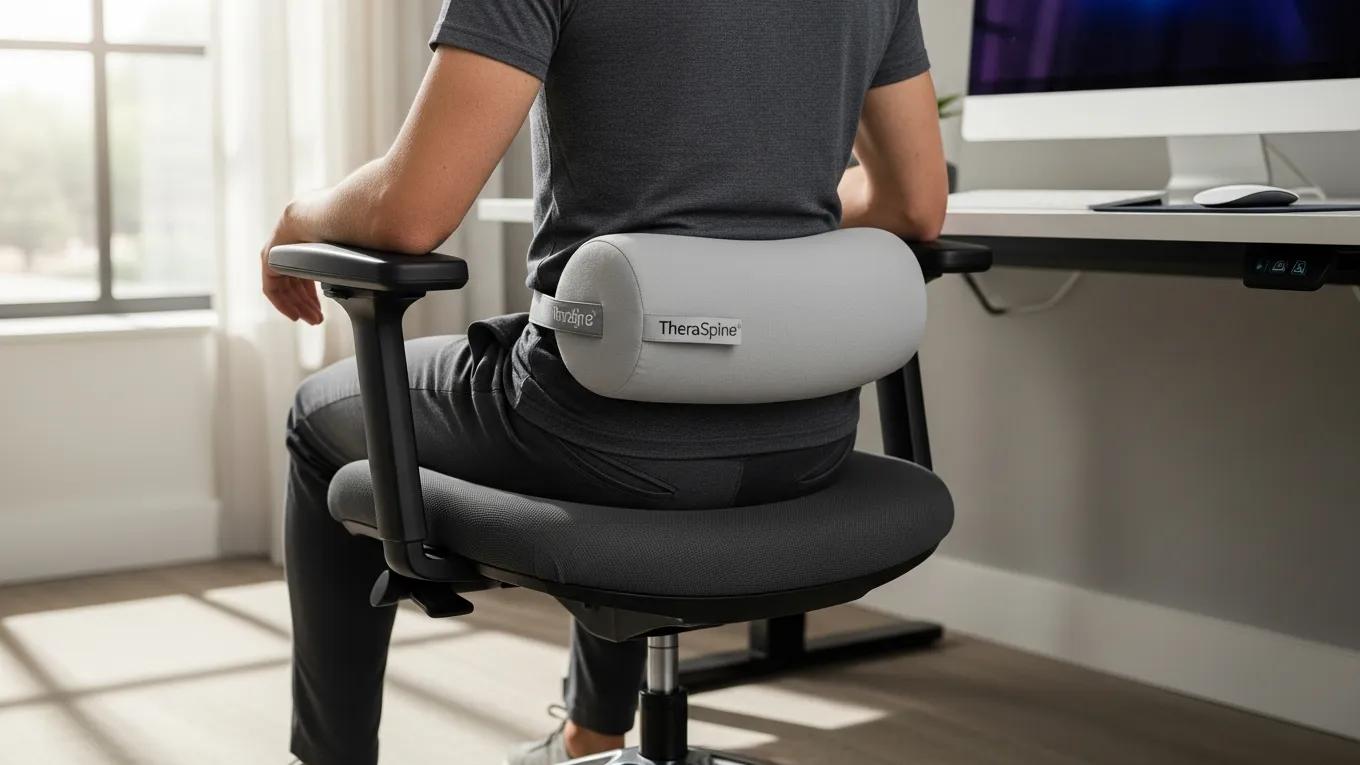
Achieving optimal back pain relief begins with the correct positioning of your support pillow, which directly influences spinal alignment and overall comfort. Proper placement ensures that the natural curvature of your spine is maintained, reducing strain on muscles and ligaments. This foundational step is crucial for anyone seeking to alleviate chronic back pain and improve their posture throughout the day or night. Consistent and accurate positioning can prevent the exacerbation of existing conditions and promote a healthier spinal posture over time.
Research further supports the critical role of lumbar support pillows in promoting neutral spinal posture and enhancing comfort for individuals experiencing low back pain.
Lumbar Support Pillows for Low Back Pain & Spinal Posture
Several risk factors exist for the development of low back pain, including prolonged sitting and flexed spinal curvature. Several investigators have studied lumbar support devices and spinal curvatures in sitting, however few have investigated a pain population and reported a quantitative measure of comfort. The purpose of the current project was to determine whether a lumbar support pillow, outfitted with a cut-out to accommodate the bulk of posterior pelvic soft tissue volume, is more effective than a standard chair in promoting a neutral spinal posture and improving subjective and objective measures of comfort in healthy individuals and patients with low back pain.
The effect of a lumbar support pillow on lumbar posture and comfort during a prolonged seated task, DE Grondin, 2013
Here are key steps for proper TheraSpine pillow positioning:
- Lower Back Support: Place the pillow directly under the lumbar curve, ensuring it fills the natural arch of your lower back while lying down or sitting.
- Neck and Head Alignment: When used for neck support, position the pillow to cradle the neck, allowing the head to rest naturally without tilting too far forward or backward.
- Side Sleeping: For side sleepers, place the pillow between the knees to align the hips and spine, preventing rotation and reducing pressure on the lower back.
- Duration of Use: Begin with shorter sessions (15-20 minutes) and gradually increase as comfort allows, adapting to your body's needs for sustained support.
Mastering these positioning techniques is fundamental to unlocking the full potential of your TheraSpine pillow, paving the way for enhanced comfort and reduced pain.
Techniques for Maximizing Effectiveness
Beyond basic positioning, several techniques can significantly enhance the effectiveness of your back pain relief efforts, particularly when utilizing specialized ergonomic products. These methods focus on leveraging the design features of the TheraSpine pillow to target specific areas of discomfort and promote deeper relaxation. Integrating these techniques can transform your pain management routine, offering more comprehensive and sustained relief from chronic back pain. The TheraSpine pillow, designed for innovative back pain relief solutions, is particularly well-suited for these advanced applications.
Different techniques can be employed to maximize the benefits of the TheraSpine pillow:
| Technique | Attribute | Value |
|---|---|---|
| Heat Therapy | Muscle Relaxation | Reduces stiffness, improves blood flow |
| Vibration Massage | Tension Relief | Soothes sore muscles, promotes circulation |
| Spinal Decompression | Disc Pressure Reduction | Alleviates nerve compression, improves posture |
| Targeted Support | Postural Correction | Supports natural spinal curve, prevents slouching |
These techniques, when combined with the TheraSpine pillow, offer a holistic approach to managing various forms of back discomfort.
Creative Hacks for Addressing Different Pain Types

The versatility of the TheraSpine pillow extends to creative hacks that can specifically address various types of back pain, offering personalized relief beyond conventional uses. Adapting the pillow's application for conditions like sciatica, muscle stiffness, or even travel-induced discomfort can significantly improve user experience. These user hacks pillow strategies demonstrate how a single ergonomic product can be a dynamic tool in a comprehensive spinal health solutions regimen. Exploring these innovative uses allows individuals to tailor their pain management to their unique needs.
Here are some creative hacks for utilizing the TheraSpine pillow:
- Sciatica Relief: Place the pillow under one hip while lying on your side, slightly elevating the affected leg to reduce pressure on the sciatic nerve. This subtle adjustment can provide significant relief from radiating pain.
- Addressing Muscle Stiffness: Use the pillow as a gentle prop during light stretching exercises, allowing for deeper, more controlled movements that target tight back muscles. This helps to increase flexibility and reduce rigidity.
- Travel-Friendly Usage: Pack the compact TheraSpine pillow for long car rides or flights, using it as lumbar support to prevent stiffness and maintain good posture during extended periods of sitting. It acts as a portable spinal health solution.
- Post-Workout Recovery: Position the pillow to support the lower back during cool-down stretches, aiding in muscle recovery and preventing post-exercise soreness. This promotes faster recuperation.
These creative applications highlight the adaptability of the TheraSpine pillow, making it an indispensable tool for diverse back pain scenarios.
Additional Tips
Beyond specific positioning and creative hacks, incorporating general best practices can further amplify the benefits derived from using your TheraSpine pillow for back pain relief. Consistency in usage, coupled with an awareness of overall posture and proper maintenance, forms a robust strategy for long-term spinal health. These additional tips ensure that the TheraSpine pillow remains an effective component of your daily routine, contributing to sustained comfort and improved well-being. Adhering to these guidelines helps maximize the longevity and performance of this ergonomic product.
Consider these additional tips for optimal results:
- Importance of Consistency: Regular, daily use of the TheraSpine pillow, even for short periods, reinforces proper spinal alignment and muscle memory, leading to more lasting relief.
- Posture Correction Tips: Actively engage core muscles and maintain an upright posture throughout the day, complementing the support provided by the pillow. This holistic approach strengthens the back.
- Hydration and Nutrition: Support overall spinal health by staying well-hydrated and consuming a balanced diet rich in anti-inflammatory foods, which can reduce systemic pain.
- Listen to Your Body: Pay attention to how your body responds to different pillow positions and durations of use, adjusting as needed to find what works best for your unique pain profile.
By integrating these comprehensive tips, users can significantly enhance their experience with the TheraSpine pillow, fostering a proactive approach to chronic pain management.
How Can Proper Pillow Positioning Enhance Spinal Health and Alleviate Back Pain?
Proper pillow positioning significantly enhances spinal health and alleviates back pain by promoting the spine's natural curvature and distributing body weight evenly. This optimal alignment reduces undue stress on intervertebral discs, ligaments, and muscles, which are common sources of chronic back pain. By supporting the lumbar region or neck correctly, the TheraSpine pillow helps to decompress the spine, allowing for better circulation and nutrient flow to spinal structures. This mechanism not only provides immediate relief but also contributes to long-term postural correction and improved mobility.
What Are the Best Techniques for Positioning the TheraSpine Pillow?
The best techniques for positioning the TheraSpine pillow involve a combination of precise placement and mindful body awareness to target specific areas of discomfort. For lumbar support, the pillow should be placed snugly against the lower back, ensuring it fills the natural arch when sitting or lying supine. When addressing neck pain, the pillow should cradle the cervical curve, keeping the head in a neutral position aligned with the rest of the spine. Recommended duration of use typically starts with 15-20 minute sessions, gradually increasing as comfort and therapeutic benefits are observed.
Here are effective positioning techniques for the TheraSpine pillow:
- Supine Lumbar Support: Lie on your back and slide the pillow under the natural curve of your lower back, ensuring your hips and shoulders remain flat on the surface.
- Seated Lumbar Support: Place the pillow against the back of your chair, aligning it with your lumbar curve to maintain an upright posture and prevent slouching.
- Cervical Support: When lying down, position the pillow to support the curve of your neck, allowing your head to rest comfortably without excessive flexion or extension.
- Side Sleeper Hip Alignment: Place the pillow between your knees to keep your hips, pelvis, and spine in proper alignment, reducing rotational stress on the lower back.
These techniques are designed to maximize the therapeutic benefits of the TheraSpine pillow for various pain points.
How Does Correct Positioning Reduce Muscle Stiffness and Sciatica Symptoms?
Correct positioning with the TheraSpine pillow effectively reduces muscle stiffness and sciatica symptoms by promoting optimal spinal alignment and alleviating nerve pressure. When the spine is properly aligned, muscles can relax and release tension, preventing the spasms and rigidity associated with stiffness. For sciatica, correct positioning helps to decompress the lumbar spine, reducing impingement on the sciatic nerve roots. This reduction in nerve pressure diminishes the radiating pain, numbness, and tingling often experienced with sciatica, fostering muscle relaxation and improved nerve function.
What Creative Hacks Maximize the TheraSpine Pillow’s Effectiveness for Different Pain Types?
Creative hacks maximize the TheraSpine pillow's effectiveness for different pain types by adapting its ergonomic design to specific needs, offering targeted relief. For instance, using the pillow with heat therapy can significantly relax tense muscles, while incorporating vibration massage techniques can further soothe localized discomfort. Spinal decompression, achieved through specific pillow placements, can alleviate pressure on compressed discs, addressing the root cause of certain pain types. These user-generated pillow tips transform the TheraSpine pillow into a versatile tool for personalized pain management.
How Can Users Adapt Pillow Use for Personalized Pain Management?
Users can adapt TheraSpine pillow use for personalized pain management by experimenting with adjustable session durations and various positioning techniques tailored to their specific pain profile. Starting with shorter periods and gradually increasing use allows the body to acclimate, while different placements can target localized discomfort, such as lower back, neck, or hip pain. Regular use recommendations emphasize consistency, but flexibility in application ensures that the pillow remains an effective tool for evolving pain needs. This personalized approach empowers individuals to optimize their back pain relief techniques.
Which Daily Mobility and Stretching Routines Complement TheraSpine Pillow Use?
Daily mobility and stretching routines significantly complement TheraSpine pillow use by enhancing flexibility, strengthening core muscles, and improving overall spinal health. Gentle stretching exercises, such as cat-cow stretches, pelvic tilts, and knee-to-chest stretches, can be performed before or after using the pillow to prepare the body or reinforce alignment. Mobility routines like walking, swimming, or light yoga further support spinal health by promoting circulation and maintaining joint fluidity. Combining these activities with consistent TheraSpine pillow use creates a synergistic approach to chronic pain management.
How Should Users Maintain and Care for the TheraSpine Pillow to Ensure Longevity?
To ensure the longevity and continued effectiveness of the TheraSpine pillow, users should adhere to specific maintenance and care practices. Regular cleaning, appropriate storage, and mindful usage are crucial for preserving the pillow's ergonomic integrity and hygienic condition. These practices prevent material degradation, maintain the pillow's supportive shape, and ensure it continues to provide optimal back pain relief solutions. Proper care extends the lifespan of the product, making it a reliable component of your spinal health regimen for years to come.
What Are Recommended Cleaning and Storage Practices?
Recommended cleaning and storage practices for the TheraSpine pillow focus on maintaining hygiene and preserving its structural integrity. For cleaning, the removable cover should be machine washed on a gentle cycle with mild detergent and air-dried to prevent shrinkage or damage. The pillow's surface can be spot-cleaned with a damp cloth and mild soap, avoiding harsh chemicals that could degrade the material. For storage, keep the pillow in a cool, dry place away from direct sunlight and excessive moisture, ideally in its original packaging or a breathable bag to protect its shape and material.
How Does Proper Maintenance Impact Pillow Performance and Pain Relief?
Proper maintenance significantly impacts the TheraSpine pillow's performance and its ability to provide effective pain relief by preserving its ergonomic shape and hygienic qualities. Regular cleaning prevents the accumulation of dust, allergens, and oils, which can compromise material integrity and user comfort. Correct storage ensures the pillow retains its supportive contours, preventing flattening or deformation that would diminish its therapeutic benefits. Consistent maintenance directly translates to sustained pillow performance, ensuring it continues to offer reliable spinal support and optimal back pain relief over time.