


Emerging Technologies for At-Home Back Therapy: Effective Home Back Pain Devices and Digital Rehab Solutions
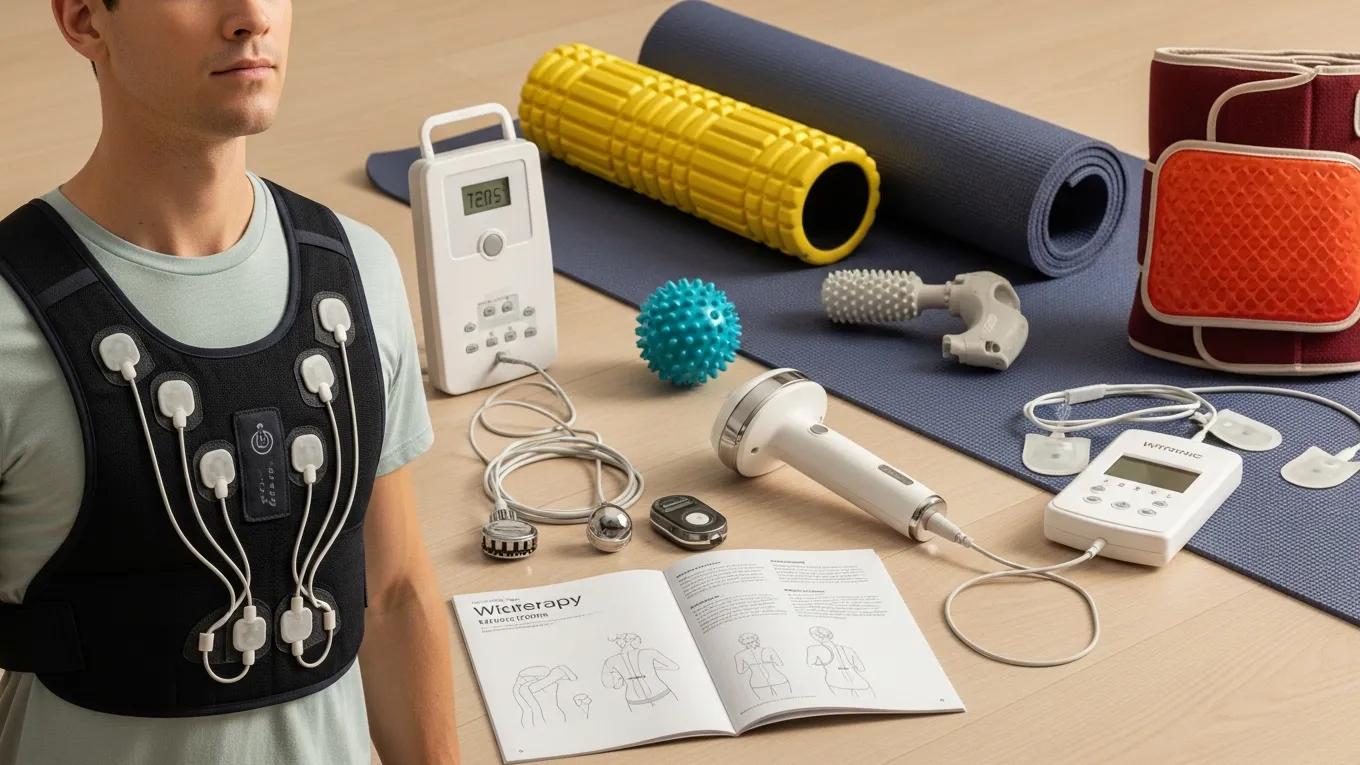
As the field of healthcare advances, emerging technologies are revolutionizing at-home back therapy. These innovations are designed to provide effective relief for individuals suffering from back pain, enhancing their quality of life without needing frequent clinical visits. This article explores the latest advancements in wearable and portable devices, as well as digital solutions within the realm of back therapy. From AI-powered rehabilitation devices to non-invasive electronic stimulators, readers will discover the most effective technologies available for managing back pain at home. As back pain remains a common issue affecting millions, understanding these emerging technologies can provide valuable solutions for pain relief and rehabilitation. Key topics covered include wearable technologies, portable spinal therapy tools, and AI's role in improving therapy outcomes.
What Are the Latest Wearable Back Rehab Technologies and Their Benefits?
Recent advancements in wearable technologies have made significant strides in back rehabilitation. These devices offer a range of benefits, including improved mobility, personalized therapy, and greater convenience in the comfort of one's home. Wearable back rehab technologies typically include features designed to support the lumbar spine and enhance recovery through targeted interventions. By integrating sensors and feedback mechanisms, these devices can monitor user progress and adjust therapeutic support accordingly, ensuring effective treatment that aligns with individual needs.
How Do Wearable Lumbar Support Systems Provide Therapeutic Relief?
Wearable lumbar support systems function by stabilizing the lower back, which helps alleviate pressure on the spine. These devices utilize adjustable straps or supportive materials to maintain proper posture and reduce strain during daily activities. Many users report immediate relief from discomfort, while long-term usage is associated with significant improvements in overall spinal health. Clinical studies indicate these systems effectively reduce pain intensity and improve functional outcomes for individuals with chronic back pain.
What Clinical Evidence Supports Wearable Spinal Therapy Devices?
Clinical evidence supporting wearable spinal therapy devices is growing rapidly. Recent studies have confirmed their efficacy in managing back pain, particularly among individuals suffering from chronic conditions. For instance, a randomized controlled trial highlighted that participants using wearable lumbar supports experienced a 30% reduction in pain levels over eight weeks. Furthermore, regular usage led to improved mobility and daily activity engagement, showcasing the promising role these technologies play in at-home rehabilitation.
How Do Portable Spinal Therapy Tools Enhance At-Home Back Pain Rehabilitation?
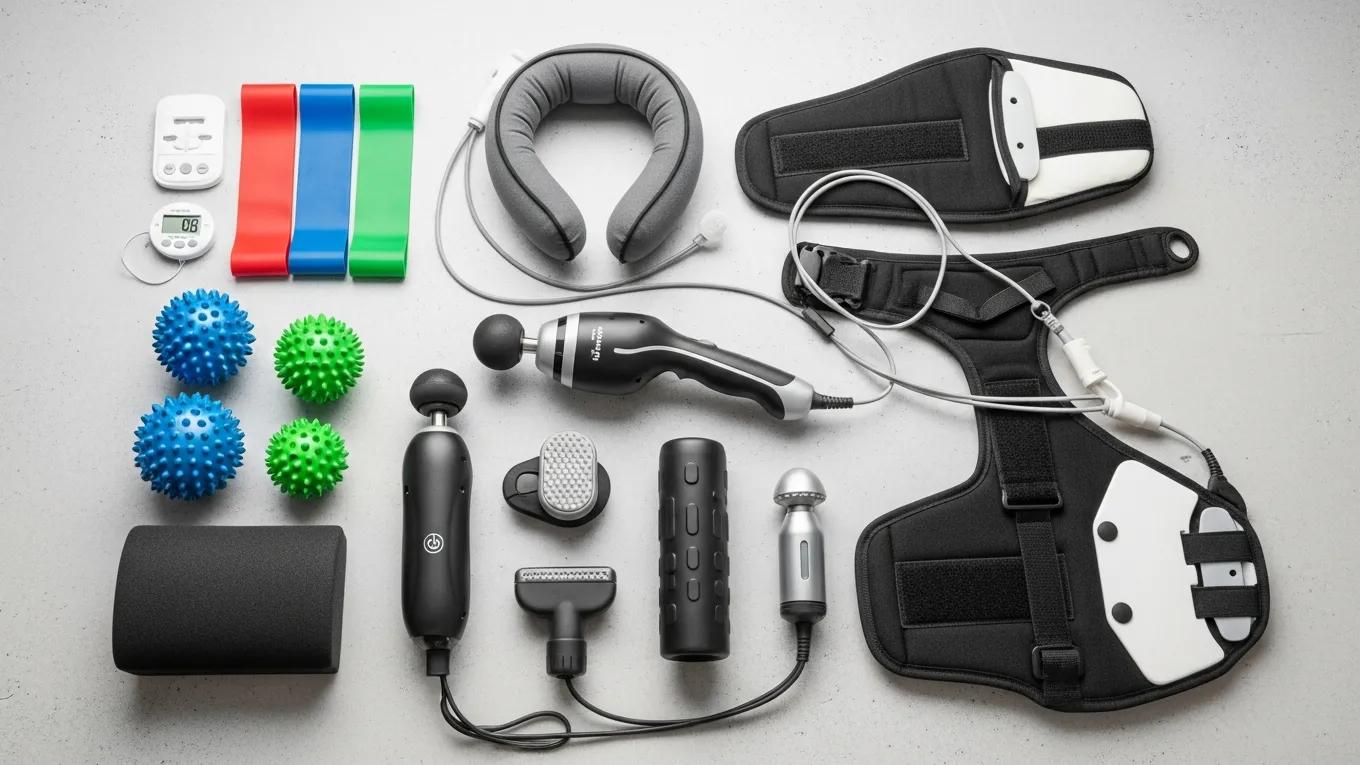
Portable spinal therapy tools have revolutionized the way individuals manage back pain at home. These devices are designed to be lightweight and easy to use, allowing for seamless integration into daily routines. Their primary goal is to enhance therapeutic outcomes through targeted treatments that can be performed outside clinical settings. By providing accessible options for rehabilitation, portable devices empower users to take control of their recovery process.
What Are the Key Features of Portable Physical Therapy Equipment?
Effective portable physical therapy equipment typically includes features such as adjustable tension, user-friendly controls, and multiple therapeutic modalities. Devices like handheld massagers and portable traction units help relieve tension and promote muscle relaxation. Users can enjoy the flexibility of practicing their therapy routines at their convenience, making it easier to adhere to prescribed rehabilitation plans. Moreover, many devices integrate customizable settings to adjust treatments according to individual user preferences.
How Effective Is Spinal Decompression Therapy at Home?
Spinal decompression therapy is a popular treatment method for alleviating back pain through the gentle stretching of the spine. Yes, studies show this method can be effective when applied correctly at home. Users benefit from sustained relief as decompression techniques help to reduce pressure on the spinal discs and decompress nerve roots. Feedback from users indicates significant improvements in mobility and pain perception, making spinal decompression therapy a valuable option for at-home management of back pain.
In What Ways Does AI and Remote Monitoring Improve Back Therapy Outcomes?
Artificial intelligence (AI) and remote monitoring technologies have become integral to enhancing back therapy outcomes. These technologies allow for real-time tracking of user data, optimizing treatment regimens based on individual progress. AI applications are capable of analyzing collected data to identify patterns and provide actionable insights into patient care. Consequently, incorporating AI solutions in rehabilitation can lead to improved therapeutic effectiveness and adherence to therapy protocols.
How Do AI-Powered Rehabilitation Devices Personalize Therapy Protocols?

AI-powered rehabilitation devices adapt therapy protocols to suit individual user needs by utilizing data collected through sensors and feedback mechanisms. This personalization ensures that treatment plans are tailored to each user's unique requirements, enhancing the overall effectiveness of rehabilitation. With detailed insights into user progress, AI devices can make instantaneous adjustments to therapy, fostering better results and increased motivation for continued participation in at-home back therapy.
What Are the Advantages of Digital Remote Patient Monitoring for Back Pain?
Digital remote patient monitoring offers substantial advantages for managing back pain outside clinical settings. By facilitating continuous communication between patients and healthcare providers, these systems enhance patient engagement and adherence to therapy protocols. For example, remote monitoring tools can provide timely feedback, allowing healthcare professionals to adjust treatment plans as necessary. Additionally, patients benefit from feeling supported and guided throughout their recovery, which ultimately increases the likelihood of achieving positive outcomes.
What Role Do Non-Invasive Electronic Therapeutics Play in Home Back Pain Management?
Non-invasive electronic therapeutic devices are emerging as essential tools for at-home back pain management. These technologies utilize electrical stimulation to stimulate nerves and muscles, promoting healing and pain relief. Their effectiveness has been substantiated through clinical research that highlights their ability to significantly reduce pain and improve overall function in patients with various back issues.
How Does Electronic Stimulation Target Lumbar Spine Disorders?
Electronic stimulation devices target lumbar spine disorders by delivering controlled electrical pulses to the affected muscles and nerves. This stimulation promotes blood flow and reduces muscle tension, thereby alleviating discomfort. Users often report experiencing immediate relief following treatment sessions, which can typically be performed at home with minimal supervision. Furthermore, research has demonstrated the potential of these devices to enhance the recovery process and support long-term pain management strategies.
Which Non-Invasive Devices Are FDA-Approved for At-Home Use?
Several non-invasive electronic devices have received FDA approval for at-home use, ensuring safety and efficacy. These devices include transcutaneous electrical nerve stimulation (TENS) units and various muscle stimulation devices designed specifically for treating back pain. Providers recommend users choose FDA-approved devices to ensure reliability and adherence to therapeutic guidelines. Utilizing these approved devices allows patients to pursue effective at-home therapy with greater confidence in their safety and effectiveness.
How Should Users Select and Implement At-Home Back Therapy Devices Safely?
Selecting and implementing at-home back therapy devices requires careful consideration to ensure safety and effectiveness. Users should be informed about the various options available and understand their specific needs before investing in any device. Key considerations involve assessing one's medical condition, understanding the operating mechanisms of devices, and recognizing when to seek professional guidance.
What Are the Recommended Therapy Protocols for Wearable and Portable Devices?
Recommended therapy protocols for wearable and portable devices typically involve structured usage plans that align with clinical guidelines. Users should start with shorter sessions and gradually increase duration as tolerated, aiming for consistent practice to achieve optimal results. Safety tips, such as ensuring the device fits properly and consulting a healthcare provider prior to initiation, can enhance the experience and effectiveness of therapy. Monitoring progress regularly and adjusting therapy according to feedback is equally vital for successful outcomes.
How Can Users Monitor Progress and Adjust Treatment at Home?
Users can effectively monitor progress at home by keeping track of their symptoms and treatment outcomes. Utilizing journals or mobile applications can facilitate accurate tracking of pain levels and overall functionality. Incorporating feedback mechanisms from devices, such as session duration and intensity, allows for tailored adjustments to therapy. By remaining proactive, users can ensure their at-home treatments are meeting expectations and evolving as their recovery progresses.
What Are the Market Trends and Future Innovations in At-Home Back Therapy Technologies?
The market for at-home back therapy technologies is poised for significant growth, driven by advancements in digital health and consumer demand for convenient therapeutic options. Emerging innovations are set to further enhance efficacy and personalization in treatment protocols, integrating latest developments in AI and connected devices to optimize user experience.
What Is the Adoption Rate and Forecast for Wearable Therapy Devices by 2026?
The adoption rate for wearable therapy devices is projected to increase significantly, with forecasts indicating growth rates that vary but expect around 30% by 2026. This surge is attributed to the rising awareness of chronic back pain's prevalence and the efficacy of wearable technologies in providing relief. Healthcare professionals increasingly endorse these devices, further fueling their integration into everyday therapy practices.
Which Emerging Technologies Are Poised to Transform Home Back Rehab?
Emerging technologies such as smart elasticity devices, advanced electrical stimulation systems, and mobile applications for guided therapy are set to transform home back rehabilitation. These innovations promise to enhance therapeutic outcomes through increased interactivity and personalized approaches. As technology continues to advance, patients can expect even more effective solutions for managing back pain at home.