


Heat Therapy for Back Pain: Benefits and Uses

By TheraSpine Editorial Team · Updated 2026-07-17
Heat therapy increases blood flow to lower back muscles, accelerating tissue repair and reducing muscle stiffness. Applied consistently, infrared heat penetrates deeper than surface warmth, targeting compressed nerves and tight fascia. TheraSpine's Triple Fusion Pillow integrates infrared heat alongside vibration massage and spinal traction. With users reporting varying experiences with relief over time.
Key Takeaways
- Heat therapy improves circulation and reduces inflammation, alleviating lower back pain and muscle spasms effectively.
- Heating pads repair damaged muscles and improve back stiffness by increasing blood flow to affected areas.
- Dr. Eric Emanski, MD, Board Certified Orthopedic Spine Surgeon, recommends heat therapy for specific back pain types.
- Heat therapy provides pain relief and healing benefits for various lower back pain conditions.
What Does Heat Therapy Actually Do for Back Pain?
Heat therapy works by increasing blood flow to the affected area, relaxing tight muscles and improving flexibility. Elevated circulation also clears out inflammatory chemicals that accumulate in stressed spinal tissue — addressing the underlying environment of pain, not just the surface sensation.
When blood flow rises in the lower back, the body delivers a richer supply of oxygen, white blood cells, platelets, and essential nutrients. Those resources repair damaged muscle fibers at the cellular level. That is why consistent heat application produces lasting relief rather than temporary numbing.
How does heat reduce stiffness and inflammation in the back?
Heat loosens tight muscles, joints, and surrounding soft tissues simultaneously. The improved circulation flushes inflammatory chemicals away from the affected area, which reduces both stiffness and localized swelling. Patients who apply heat regularly report improvements in back mobility and daily comfort.
What makes infrared heat different from a standard heating pad?
Infrared heat penetrates deeper into muscle and connective tissue than surface-level warmth alone. Standard pads heat the skin; heat for back pain delivered through infrared wavelengths reaches the underlying structures where compression and nerve tension originate. TheraSpine's Triple Fusion Pillow integrates infrared heat alongside vibration massage and spinal decompression traction, targeting the root causes of lower back pain rather than masking symptoms at the surface.
Core benefits at a glance:
- Increased circulation delivering oxygen and healing nutrients
- Clearance of inflammatory chemicals from spinal tissue
- Relaxation of tight muscles, joints, and connective tissue
- Reduced stiffness and improved lumbar flexibility
When and How Should You Apply Heat for Back Pain?
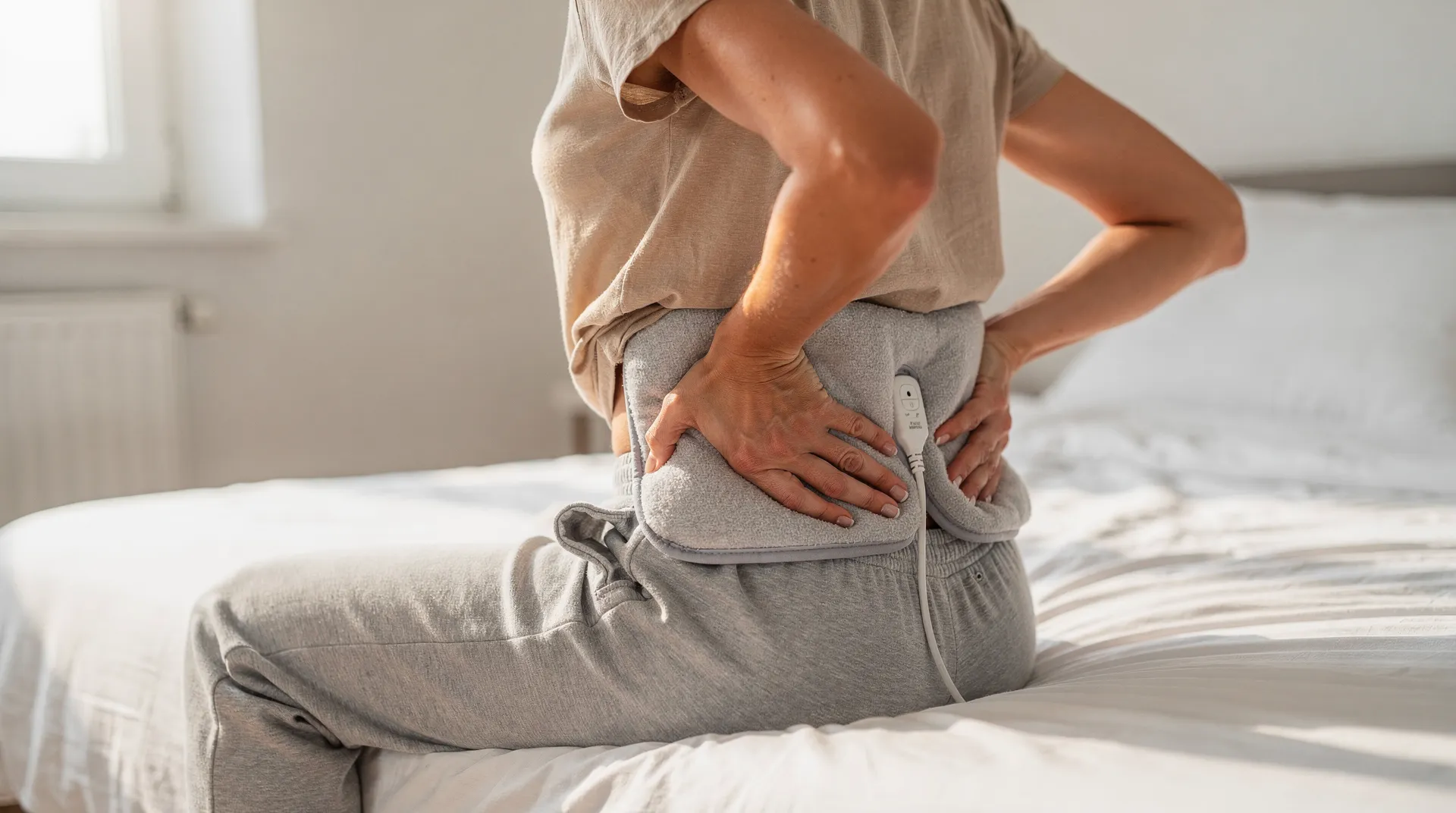
Heat for back pain works best for chronic stiffness and non-inflammatory conditions — not for acute injuries with active swelling. Applying warmth to a fresh injury with visible inflammation can worsen the problem by increasing blood flow to an already inflamed area.
Is Heat or Ice Better for Back Pain?
The right choice depends on the type of pain. Heat therapy relaxes tight muscles, improves circulation, and eases chronic stiffness. Ice therapy, by contrast, constricts blood vessels and slows the nerve impulses that carry pain signals to the brain. Making cold the better option for acute injuries with active swelling. Chronic lower back pain responds well to heat; a new injury responds better to ice.
| Condition | Recommended Therapy | Primary Benefit |
|---|---|---|
| Chronic stiffness / muscle tension | Heat | Relaxes muscles, boosts circulation |
| Acute injury with swelling | Ice | Reduces inflammation, numbs pain |
How Long Should a Heat Session Last?
Short, consistent sessions deliver the most reliable results. The TheraSpine™ Triple Fusion Pillow structures each session at 15 minutes. A clinically practical duration that fits into a workday or travel routine. The device combines constant-temperature infrared heat with adjustable vibration massage. Gentle spinal decompression, addressing chronic lower back pain, compressed discs. Nerve tension in a single portable unit.
How Does Infrared Heat Improve on Standard Heat Therapy?
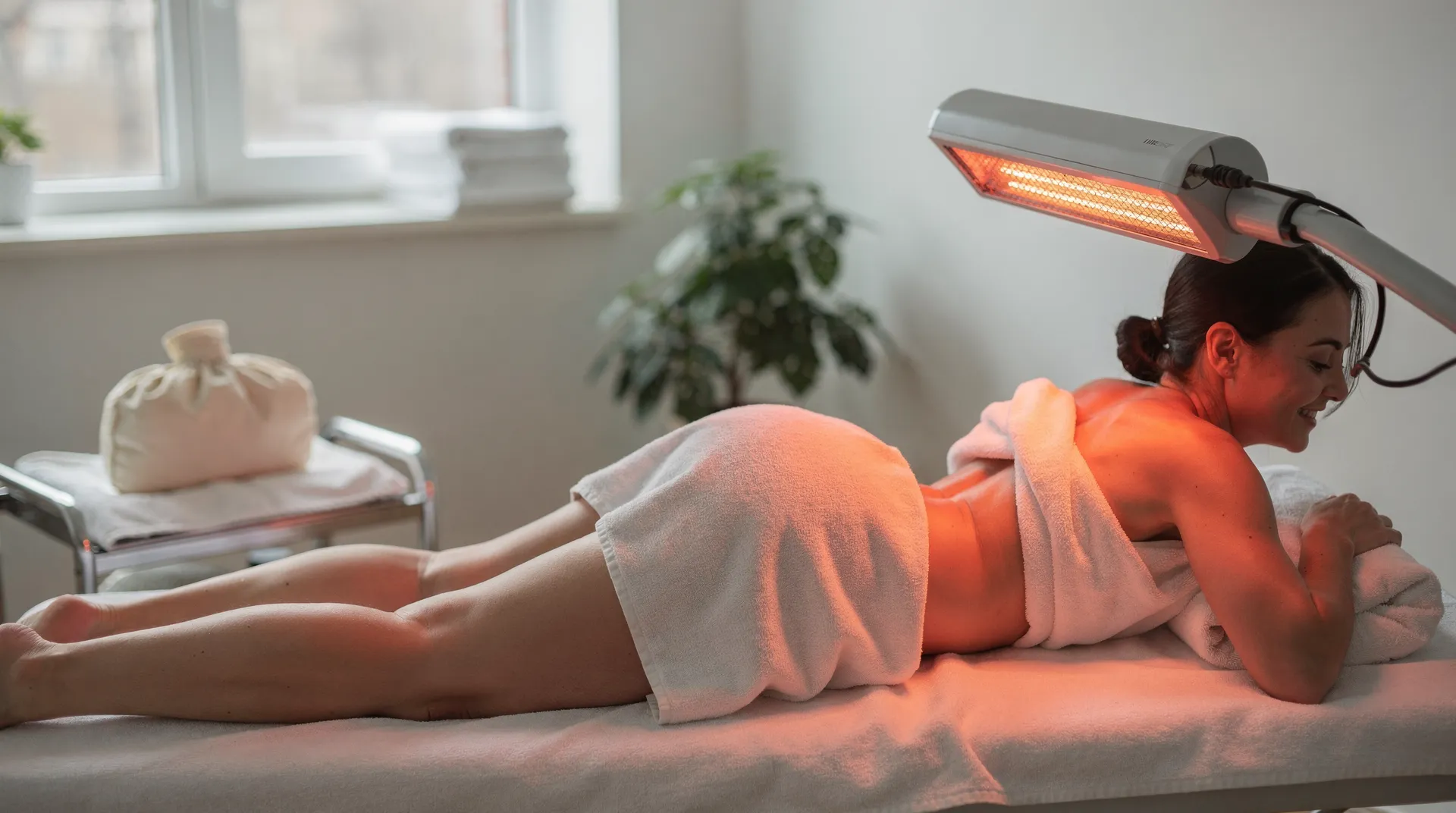
Infrared heat penetrates deeper into muscle tissue than conventional surface warmth, targeting the structural sources of discomfort rather than simply warming the skin. Standard heating pads deliver heat to the surface layer; infrared energy reaches the muscles, joints, and connective tissue where chronic tension actually originates.
| Feature | Standard Heating Pad | TheraSpine Triple Fusion Pillow |
|---|---|---|
| Heat type | Surface warmth | Infrared heat + vibration + traction |
| Therapy layers | One | Three (Trinity Decompression Technology™) |
| Spinal support | None | Ergonomic 135° memory foam curvature |
| Session length | Variable | 15 minutes |
Why does combining infrared heat with other therapies matter?
The TheraSpine™ Triple Fusion Pillow pairs infrared heat with intelligent vibration massage and electric spinal decompression traction. All in one portable device. That three-layer approach addresses the root causes of chronic back pain, not just the surface symptoms.
What makes TheraSpine different from a basic lumbar pillow?
Unlike conventional heating pads or basic lumbar pillows, TheraSpine's proprietary Trinity Decompression Technology™ delivers professional-grade spinal therapy in a single 15-minute session. The ergonomic 135° curvature with memory foam adapts to the body's natural lumbar curve, ensuring the device supports proper spinal alignment while heat for back pain relief is delivered. Adults seeking non-invasive, drug-free relief gain clinic-quality results without the clinic visit.
FAQ
What does heat therapy do for back pain?
Heat therapy increases blood flow to lower back muscles, delivering oxygen. Nutrients that repair damaged tissue while flushing out inflammatory chemicals that cause pain and stiffness.
How is infrared heat different from a standard heating pad?
Infrared heat penetrates deeper than surface warmth, reaching the underlying muscles. Connective tissue where compression and nerve tension originate, rather than heating only the skin.
When is ice better than heat for back pain?
Ice therapy constricts blood vessels and slows pain signals, making it the better choice for acute injuries with active swelling. Heat works best for chronic stiffness and non-inflammatory conditions.