


Improve Sleep to Reduce Back Pain: Best Mattresses, Optimal Positions, and Relief Strategies

Improving sleep quality is crucial for those struggling with back pain, as inadequate rest can exacerbate discomfort and hinder recovery. This article explores various strategies to enhance sleep quality, focusing on optimal sleep positions and suitable mattresses. Many face the challenge of chronic back pain, and understanding these factors can lead to significant improvements in overall wellbeing. By adopting better sleep practices, individuals can alleviate pain and achieve more restorative rest. This guide will delve into optimal sleeping positions, mattress types, sleep hygiene practices, exercises to prepare for rest, and how sleep disorders impact back pain.
How Do Optimal Sleeping Positions Affect Spine Alignment and Back Pain?
Optimal sleeping positions are fundamental to spine alignment, significantly influencing back pain levels. The way you sleep can affect the natural curvature of your spine, leading to discomfort or relief. Maintaining spine neutrality is vital as it supports muscle relaxation and minimizes stress on the ligaments and discs. Different positions can either help maintain this alignment or exacerbate underlying issues, contributing to daily discomfort. By understanding which positions promote spinal health, individuals can make informed choices that contribute to pain management and improved sleep quality.
What Are the Biomechanical Effects of Supine, Side Lying, and Prone Positions?
Sleeping positions, including supine (on the back), side-lying, and prone (on the stomach), each have distinct biomechanical effects on the spine. The supine position encourages a neutral spine and evenly distributes body weight, which can minimize pressure on any particular area of the back. Conversely, sleeping on the stomach can create unnatural spinal curvature, leading to increased back strain. Side-lying positions can promote spinal alignment if the legs are properly supported, which may reduce pain and discomfort for many individuals. Understanding these effects is essential for selecting sleep positions that bolster spinal health.
Which Sleep Positions Provide the Most Effective Back Pain Relief?
For those experiencing back pain, certain sleep positions can offer more effective relief. Side sleeping, particularly with a pillow between the knees, helps maintain proper spinal alignment and reduces strain on the lower back. The supine position is also ideal when a supportive mattress complements it, as it allows for natural spinal curvature. It is important to note that individual preferences and specific health conditions may influence which position is best; therefore, exploring various positions can help each person find what alleviates their discomfort the most effectively.
Optimal Sleep Positions for Back Pain Relief
Using supported sleeping postures can prevent the concentration of stresses on your spine, keep your back relaxed, and create a healing environment. As a general rule, avoid sleeping on your stomach—it disturbs the normal alignment of your spine. Also avoid sleeping on the side that hurts more, especially if you havesciatica– and follow these guidelines: If you prefer sleeping on your back, place a pillow beneath your knees. By slightly raising your knees, you will reduce stresses on your lower back and maintain the natural curve of your spine. If you’re a side sleeper, place a firm, flat pillow between your knees. The Best Sleeping Position for Your Back Pain, 2016
Which Mattress Types Provide the Best Support to Alleviate Back Pain?
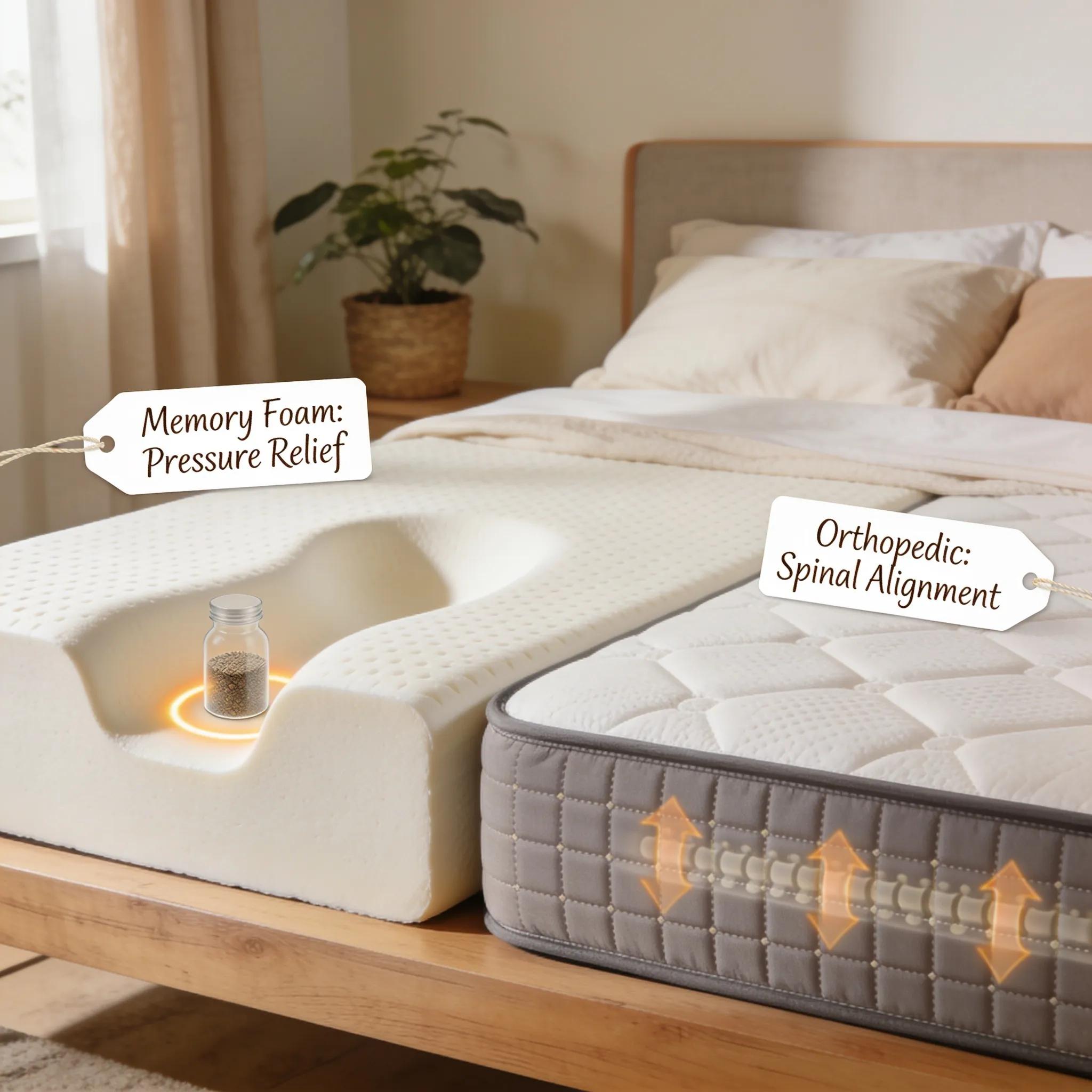
The choice of mattress significantly impacts back pain and overall sleep quality. Different types of mattresses offer varying levels of support tailored to individual needs. A mattress that provides proper support can help maintain spinal alignment, ultimately reducing back pain and improving sleep quality. Understanding the unique characteristics of different mattress types, such as memory foam and orthopedic mattresses, can guide consumers in making informed purchases that facilitate pain relief.
How Do Memory Foam and Orthopedic Mattresses Influence Spinal Health?
Memory foam mattresses contour to the body, providing support that alleviates pressure points and encourages proper spinal alignment. This responsiveness helps distribute weight evenly, which can be beneficial for individuals dealing with chronic back pain. Orthopedic mattresses, designed specifically for spinal support, often feature firmer surfaces that help maintain neutral spine position. Both options have their merits, and the choice may depend on personal comfort preferences and specific back issues.
Memory Foam Mattresses: Pressure Relief for Back and Joint Pain
One of the key benefits of memory foam mattresses is their ability to relieve pressure points, particularly around the shoulders, hips, and lower back. When lying down, traditional mattresses can create concentrated pressure areas that lead to discomfort or numbness. Memory foam responds to the body’s contours, spreading weight evenly and maintaining natural spinal alignment. This not only improves comfort but also helps prevent chronic pain conditions, making it ideal for individuals with back or joint issues. The Science Behind Memory Foam Mattresses and Pressure Relief, 2026
What Features Should You Look for in a Mattress for Back Pain Reduction?
When selecting a mattress to assist in reducing back pain, several key features should be considered:
- Support Levels: Look for a mattress that offers adequate support based on your weight and sleep position.
- Firmness: Opt for a firmness level that ensures your spine stays aligned while also being comfortable for you.
- Material Types: Consider the durability and support characteristics of materials like memory foam, latex, or innerspring to find what best suits your needs.
Investing in a mattress that meets these criteria can lead to significant improvements in both sleep quality and back pain management.
Spinal Alignment and Custom Sleep Systems
A proper sleep system can affect the spine support in neutral position. Most of the previous studies in scientific literature have focused on the effects of customary mattresses on the spinal alignment. To keep the spine in optimal alignment, one can use sleep surfaces with different zonal elasticity, the so called custom-made arrangements. The required stiffness of a sleep surface for each individual can be obtained by changing this arrangement applying the experimental method and modeling. Spine alignment in men during lateral sleep position: experimental study and modeling, 2011
What Sleep Hygiene Practices Enhance Sleep Quality to Reduce Chronic Back Pain?
Establishing good sleep hygiene is essential for enhancing sleep quality, particularly for individuals experiencing chronic back pain. Addressing environmental factors and incorporating consistent bedtime routines can pave the way for better sleep. Improving sleep hygiene involves mindful practices that prepare the body and mind for rest, which can be particularly beneficial for those suffering from musculoskeletal issues. As we explore these practices, understanding their importance will help in formulating a conducive sleeping environment.
How Do Consistent Sleep Schedules and Environmental Factors Affect Pain?
Maintaining a consistent sleep schedule enhances the body’s natural sleep-wake cycle, allowing for deeper and more restorative rest. Environmental factors, such as light, noise, and temperature, also significantly affect sleep quality. A dark, quiet, and cool room fosters a conducive environment for sleep, helping to reduce discomfort caused by external disturbances and ensuring more profound relaxation. Integrating these practices into daily habits can ultimately lead to improved sleep quality and reduced back pain.
Which Behavioral Changes Can Support Musculoskeletal Recovery During Sleep?
Certain behavioral changes can bolster recovery from musculoskeletal issues during sleep:
- Establish a Relaxing Pre-Sleep Routine: Engage in calming activities, such as reading or gentle stretching, to prepare your body for rest.
- Limit Screen Time: Reducing exposure to screens before bedtime can facilitate better sleep by minimizing blue light disruption.
- Stay Hydrated and Nourished: Proper hydration and nutrition can support recovery and enhance sleep quality.
Implementing these changes can create conditions that aid in mending back pain while promoting restful sleep.
What Exercises and Stretches Can Prepare Your Body for Restful Sleep and Pain Relief?
Engaging in specific exercises and stretches aimed at enhancing flexibility and reducing tension can significantly improve sleep quality and alleviate back pain. These activities help prepare the body for a restful night by loosening tight muscles and improving circulation. Incorporating such practices into your evening routine can pave the way for better sleep outcomes.
Which Pre-Bedtime Stretching Routines Are Proven to Reduce Back Pain?

Several pre-bedtime stretching routines have proven beneficial for reducing back pain:
- Child's Pose: This stretch helps elongate the spine and release tension in the back.
- Cat-Cow Stretch: Engaging in gentle flexion and extension of the spine can ease stiffness.
- Knee-to-Chest Stretch: This stretch gently pulls the lower back into alignment and alleviates pressure.
Incorporating these gentle stretches into your routine can contribute to not only pain relief but also overall relaxation before bed.
How Does Incorporating Physical Activity Impact Sleep-Related Pain Management?
Physical activity plays a crucial role in managing sleep-related pain. Regular exercise enhances overall physical health and can lead to improved sleep quality. By promoting the release of endorphins and reducing tension throughout the body, exercise can alleviate pain and set the stage for a restful night. The key lies in finding an activity that fits into your routine, whether it’s walking, swimming, or yoga.
How Do Sleep Disorders Impact Back Pain, and What Are Evidence-Based Solutions?
Sleep disorders can significantly strain both the quality of sleep and experiences of pain, leading to a cycle of unrest and discomfort. Conditions such as sleep apnea and insomnia can exacerbate chronic pain issues by preventing restorative sleep. Understanding this connection allows individuals to seek effective solutions that can disrupt this cycle of discomfort and enhance sleep outcomes.
What Is the Relationship Between Sleep Apnea, Insomnia, and Chronic Back Pain?
Research indicates that there is a notable relationship between sleep disorders like sleep apnea and insomnia and the prevalence of back pain. Disrupted sleep leads to less effective muscle recovery during rest, thereby worsening pain conditions. Individuals with these disorders may experience heightened sensitivity to pain, making it essential to address sleep issues as part of comprehensive back pain management strategies.
Which Diagnostic and Treatment Approaches Improve Sleep Disorders to Relieve Pain?
A combination of diagnostic and treatment approaches can significantly improve sleep disorders:
- Sleep Studies: Undergoing polysomnography can help identify sleep apnea and other disorders.
- Cognitive Behavioral Therapy: This can aid in changing negative sleep patterns and improve overall sleep quality.
- Medications and Devices: CPAP machines for sleep apnea and sleep aids may provide the necessary intervention to restore healthy sleeping habits.
Implementing these strategies can help mitigate the impact of sleep disorders, leading to better management of back pain.
What Are Effective Back Pain Relief Tips to Implement During the Night?
There are several effective techniques for alleviating back pain during the night that can enhance sleep quality and overall comfort. By making minor adjustments in sleep practices and using appropriate accessories, individuals can create a more supportive sleep environment.
How Can Pillow Choice and Placement Support Spinal Alignment While Sleeping?
Choosing the right pillow is vital for supporting spinal alignment while sleeping. A contour pillow can help maintain the natural curve of the neck, while a knee pillow can further enhance support for side sleepers. The proper pillow height also ensures that the head is aligned with the spine, reducing unnecessary strain on the back. Tailoring these choices to individual needs can provide significant relief.
What Immediate Actions Can Reduce Nighttime Discomfort and Promote Restorative Sleep?
If discomfort arises during the night, consider these immediate actions:
- Adjust Body Position: Repositioning can alleviate pressure points.
- Use Heat or Cold Therapy: Applying a warm compress or cold pack can soothe tense muscles.
- Practice Breathing Exercises: Focused breathing can help relax the body and ease tension.
Implementing these strategies can lead to immediate comfort, allowing for a more restorative night's sleep and reducing the likelihood of waking with pain.