


Seniors Back Care: Back Care Tips for Active Seniors

By TheraSpine Editorial Team · Updated 2026-08-14
Proper posture, regular low-impact exercise, and supportive mattresses reduce back pain in seniors significantly. TheraSpine, a direct-to-consumer brand in Simpsonville, SC, recommends daily stretching, avoiding prolonged sitting, lifting with bent knees,
Effective back care for seniors combines gentle daily movement, proper posture, and low-impact heat or vibration therapy rather than harsh treatments. Many back pain cases may resolve within 12 weeks with consistent self-care, though individual results can vary. Devices like the TheraSpine Triple Fusion Pillow deliver infrared heat. Traction support, helping older adults maintain mobility and independence at home safely.
Key Takeaways
- Many back pain cases may resolve within 12 weeks with consistent self-care, though individual results can vary.
- Spine health directly impacts mobility and overall well-being as adults age and experience accumulated wear.
- Strong muscles prevent excruciating back pain by supporting the spine through daily supportive habits.
- About 80% of adults experience back pain at some point, making prevention essential for seniors.
Why Does Back Pain Increase With Age?
Spinal joints wear down over decades of movement. Roughly 80% of adults experience back pain at some point in their lives. Age accelerates that risk: cartilage thins, discs lose hydration, and muscles supporting the spine weaken. For older adults, this compounding effect turns occasional stiffness into a chronic condition that limits mobility and independence.
What makes elderly back pain different from a younger person's ache?
Elderly back pain often stems from cumulative joint degeneration rather than a single injury. Recovery also slows with age, since tissue repair and inflammation control both become less efficient. A strain that heals in days for a 30-year-old may linger for weeks in someone over 60.
Why do so many seniors struggle to find relief?
Many older adults have already cycled through nearly every conventional option available. Common attempts include:
- Over-the-counter painkillers
- Heating pads
- Physical therapy sessions
- Chiropractor visits
- TENS units and sciatica belts
- Surgery consultations
Despite this effort, lasting relief remains elusive for many, largely because these approaches treat symptoms without addressing spinal compression directly.
Effective seniors back care requires more than temporary comfort. TheraSpine, headquartered in Simpsonville, South Carolina, designs its therapies around this exact gap—offering a direct-to-consumer path for aging spine tips that go beyond generic advice and target the mechanical roots of age-related pain.

What Daily Habits Protect an Aging Spine?
Strong muscles around the spine prevent most cases of chronic pain in older adults. Consistent, moderate exercise performed at least twice weekly ranks among the most effective aging spine tips available to seniors and caregivers alike. Twenty minutes of gentle strength work or brisk walking builds the muscular support structure that keeps vertebrae aligned and discs cushioned properly.
Posture habits matter just as much as exercise sessions. Prolonged sitting without support strains the lower back and accelerates disc compression, a common driver of elderly back pain. Establishing steady seniors back care routines at home reduces reliance on frequent clinic visits. Portable therapy technologies now bring relief directly into daily life without requiring travel or scheduled appointments.
What Time of Day Is Best for Spine Care Routines?
Morning stiffness responds well to gentle stretching before starting daily tasks. Evening sessions, after hours of sitting or standing, release tension accumulated throughout the day. Consistency across both windows builds far stronger long-term support than a single daily session ever could.
Does Rest Position Affect Spinal Health?
Yes, significantly. Proper support during rest keeps the lumbar curve correctly aligned. An ergonomic 135° curved design with memory foam adapts to the body's natural lumbar shape, encouraging correct alignment whether reclining on a couch or resting in bed.
Daily habits worth adopting include:
- Strength exercises performed at least twice weekly
- Morning and evening stretching routines
- Supported, properly aligned rest positions
- Portable at-home therapy for consistent, ongoing relief
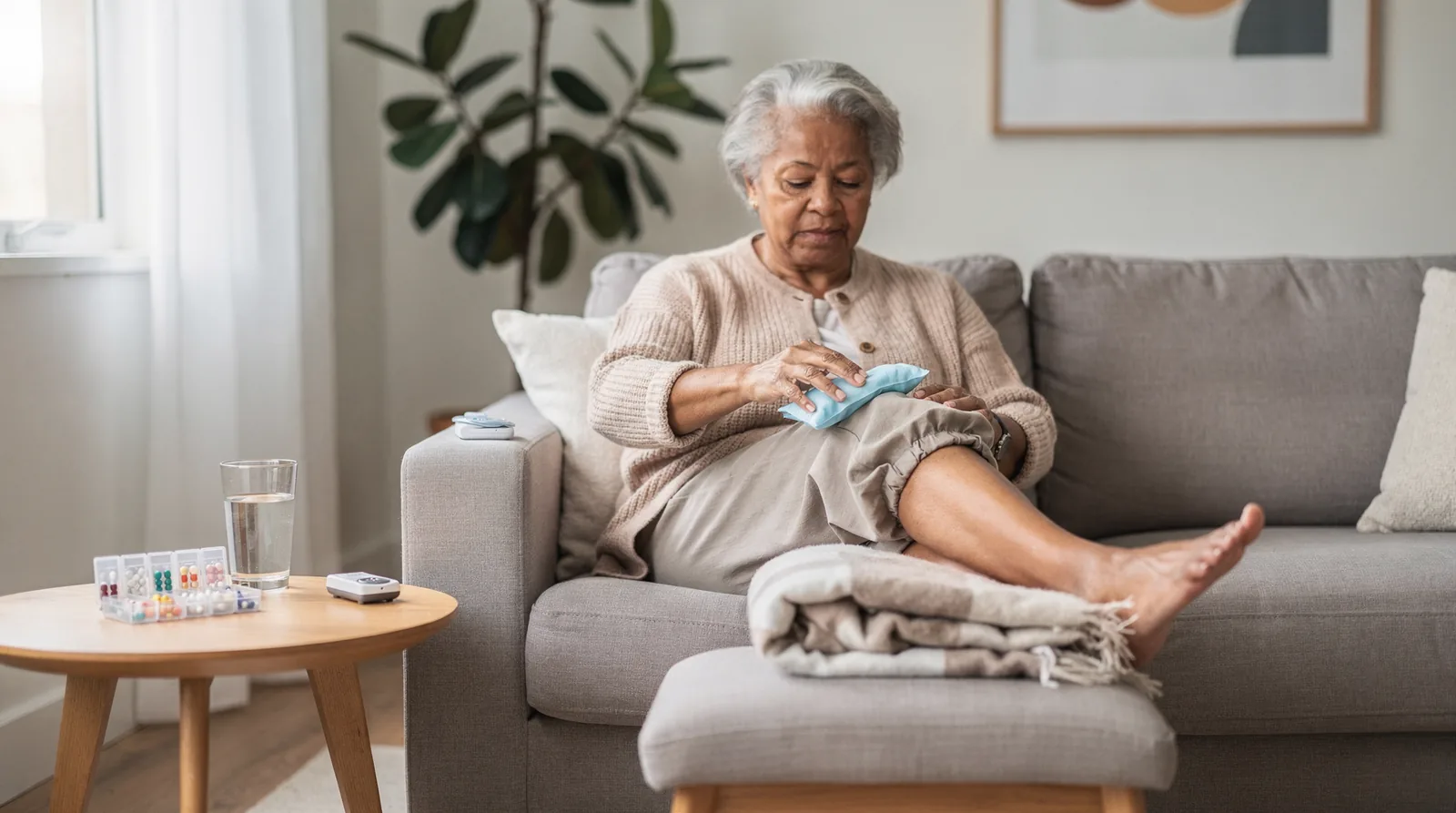
How Can Seniors Manage Flare-Ups Safely at Home?
Two safe, drug-free steps reduce a back pain flare-up before it worsens: cold therapy and gentle movement. Skipping both often extends recovery time and increases the risk of muscle stiffness setting in. For seniors back care, consistency during the first 48 hours matters more than intensity.
Does ice actually help during a flare-up?
Yes. A commercial ice pack, or even a bag of frozen vegetables, brings inflammation down without medication. Cold therapy works best applied early, before swelling peaks, and repeated in short sessions throughout the day.
Should older adults rest in bed during severe pain?
No — prolonged bed rest often backfires. On days when pain feels severe, gentle stretching outperforms bed rest for managing elderly back pain, keeping joints mobile and circulation steady. Movement, even slow and small, protects independence better than lying still.
Beyond ice and stretching, one of the most practical aging spine tips involves combining therapies rather than relying on a single method. The TheraSpine Triple Fusion Pillow layers infrared heat, vibration massage, and electric spinal decompression traction into a single portable device suited for home use. TheraSpine reports that a notable share of users felt relief within two weeks of consistent use.
Flare-up checklist for seniors:
- Apply cold therapy within the first hours of pain onset
- Avoid extended bed rest; move gently instead
- Layer heat and traction-based therapy after acute swelling subsides
- Track pain changes daily to spot patterns early
Maintaining spinal health as we age requires a multifaceted approach that combines daily movement, ergonomic awareness, and targeted therapeutic intervention. By implementing these evidence-based strategies—from posture optimization to professional-grade at-home solutions—seniors reclaim mobility and independence. TheraSpine's Trinity Decompression Technology delivers the clinical-level care necessary to address chronic back pain without invasive procedures, empowering older adults to live actively and comfortably throughout their golden years.
FAQ
How much back pain resolves with self-care?
Many back pain cases may resolve within 12 weeks through consistent self-care, including gentle movement, posture correction, and low-impact heat or vibration therapy at home. Individual results can vary.
How often should seniors exercise for spine health?
Seniors benefit from consistent, moderate exercise at least twice weekly. Twenty minutes of gentle strength work or brisk walking builds muscular support that keeps vertebrae aligned and discs cushioned.
When is the best time to do spine care routines?
Morning stretching eases stiffness before daily tasks begin, while evening sessions release tension from sitting or standing. Consistency across both windows builds stronger long-term support.
Facts
- TheraSpine is located in Simpsonville, SC, US.
- TheraSpine has 1 employees.